Cleaning reports are essential for maintaining a healthy and productive environment – whether it's a home, office, or facility. They provide a clear, objective record of cleaning activities, allowing for tracking progress, identifying areas for improvement, and demonstrating accountability. A well-structured cleaning report template is a valuable tool for anyone involved in cleaning operations. It's more than just a list of tasks; it's a data-driven document that promotes consistency and efficiency. Cleaning Report Template is a foundational element of effective cleaning practices. This article will explore the key components of a robust cleaning report template, offering practical guidance and best practices for creating effective reports. We'll cover everything from data collection to presentation, ensuring you can leverage this template to streamline your cleaning processes and achieve optimal results. Understanding the purpose and structure of a cleaning report is crucial for both employees and management. It fosters transparency, encourages continuous improvement, and ultimately contributes to a cleaner and more comfortable space.
Introduction
The modern world demands cleanliness – from our homes and workplaces to public spaces. Maintaining a consistently clean environment is not merely a matter of aesthetics; it significantly impacts health, productivity, and overall well-being. Effective cleaning routines are vital for preventing the spread of germs, reducing allergens, and creating a more pleasant atmosphere. However, simply doing the cleaning isn't enough. A systematic approach, documented through a comprehensive cleaning report, is essential for tracking progress, identifying problem areas, and ensuring accountability. A well-crafted cleaning report template provides a structured framework for recording cleaning activities, making it easier to analyze performance, and ultimately, improve cleaning efficiency. The process of creating a cleaning report can seem daunting at first, but with a clear understanding of its components and a focus on thoroughness, it becomes a manageable and rewarding task. This article will delve into the essential elements of a cleaning report template, providing practical advice and examples to help you create reports that are both informative and actionable. Let's explore how to build a system that supports consistent, high-quality cleaning across your organization.
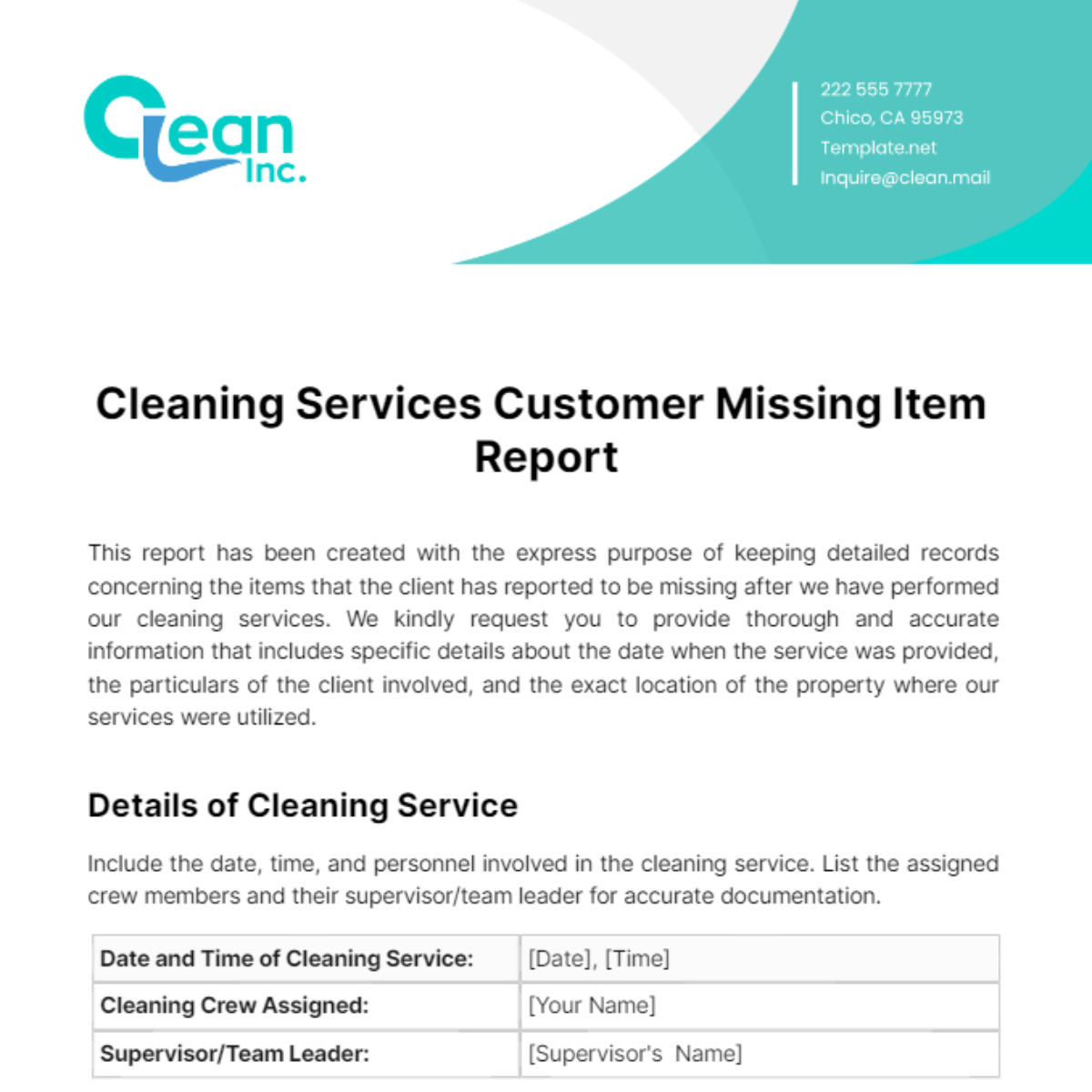
Data Collection – The Foundation of the Report
The first step in creating a successful cleaning report is accurately collecting data. This involves meticulously documenting every task performed, including the date, time, location, and the individual(s) responsible for the work. Don't rely on memory; use a consistent system. Consider using a digital tool like a spreadsheet or a dedicated cleaning management software to streamline this process. Here are some key data points to include:
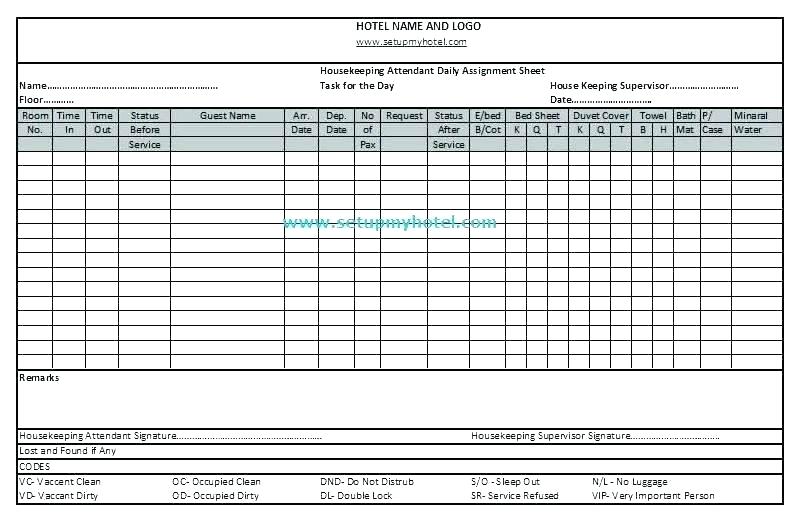
- Task Description: A clear and concise description of the cleaning activity. Be specific – "Dusting shelves in the kitchen" is better than "Cleaning the kitchen."
- Location: The specific area or space where the task was performed.
- Date and Time: Record the precise date and time of the cleaning activity.
- Responsible Party: Clearly identify the individual(s) who performed the task.
- Materials Used: List any cleaning supplies or equipment used (e.g., disinfectant, vacuum, mop).
- Notes: Any relevant observations, such as any issues encountered, adjustments made, or areas requiring further attention.
Section 1: Detailed Task Breakdown – The Core of the Report
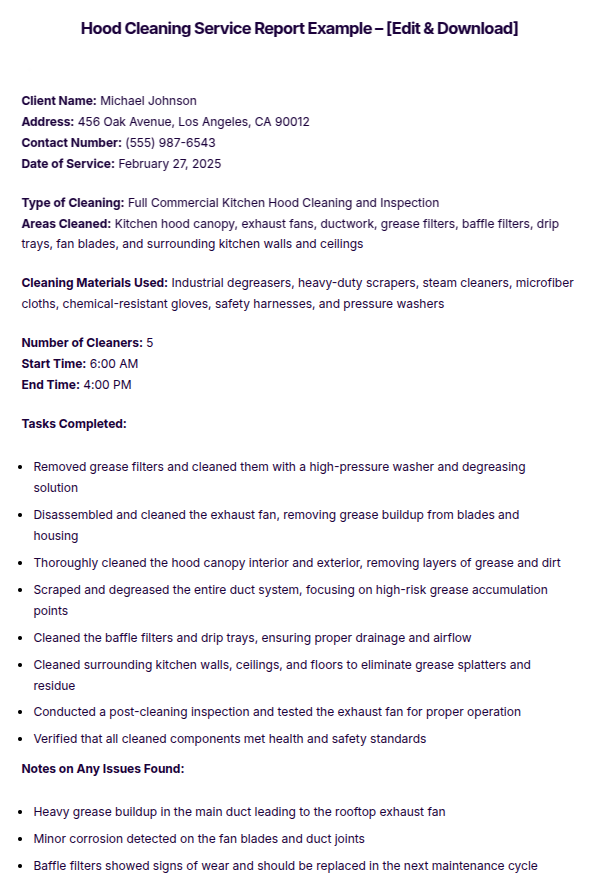
This section focuses on providing a detailed breakdown of each cleaning task. It's crucial to be as specific as possible to ensure accurate reporting. Instead of simply saying "Vacuumed the living room," break it down into:
- Task: Vacuuming the living room floor.
- Date/Time: October 26, 2023, 9:00 AM
- Location: Living Room
- Materials Used: Vacuum cleaner, floor cleaner, dust cloths.
- Notes: Found a few crumbs under the sofa. Also, noticed some pet hair accumulation on the rug.
This level of detail allows for easier analysis and identification of recurring issues. Consider using a table format for this section to enhance readability.
Section 2: Problem Identification & Resolution – Addressing Challenges
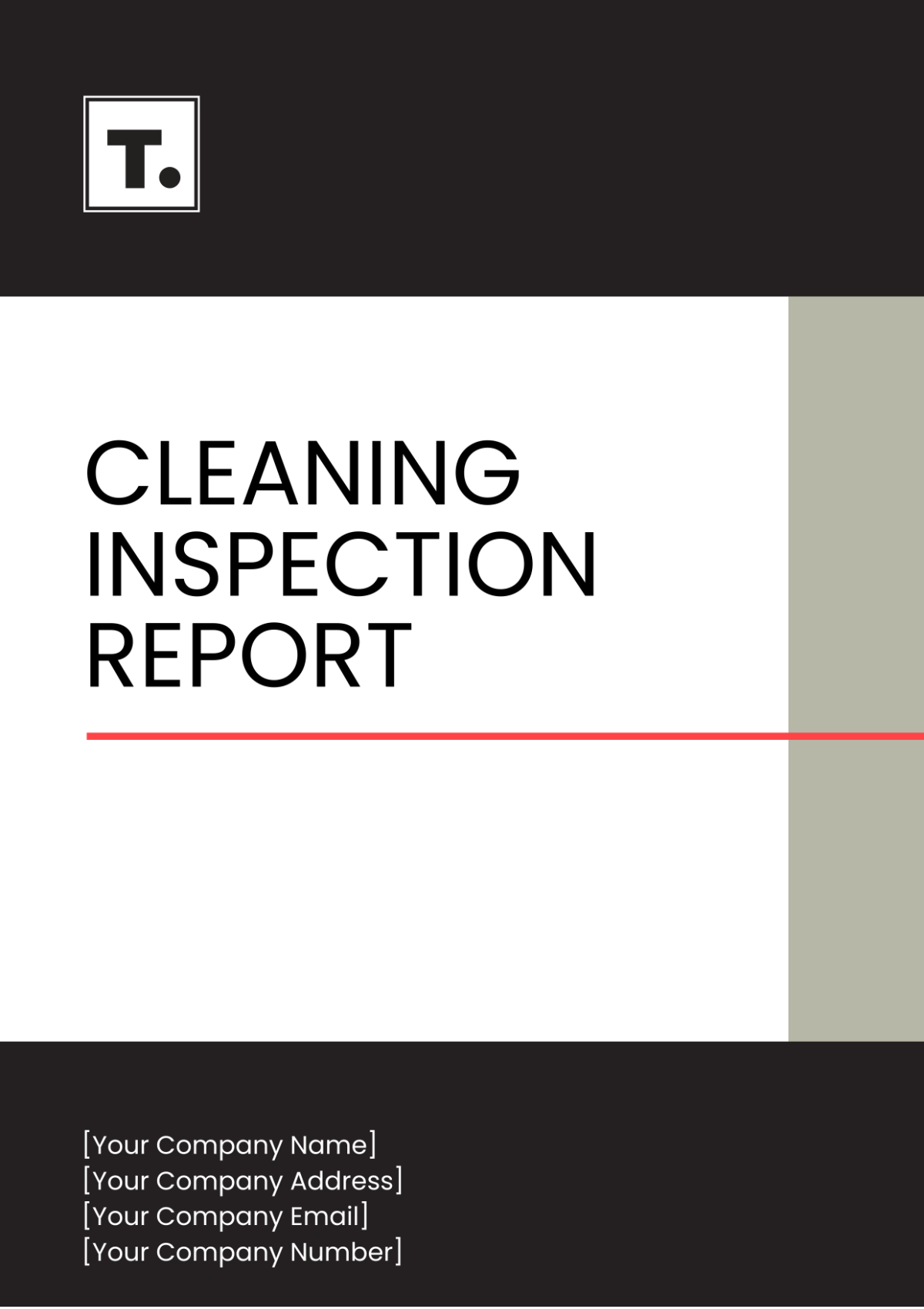
This section is dedicated to identifying any problems encountered during the cleaning process and outlining the steps taken to resolve them. It's not just about documenting the problem; it's about demonstrating proactive problem-solving.
- Problem: Sticky residue on the bathroom mirror.
- Date/Time: October 26, 2023, 10:30 AM
- Location: Bathroom
- Resolution: Used a glass cleaner to remove the residue.
- Materials Used: Glass cleaner, microfiber cloths.
This section is vital for identifying areas where cleaning procedures need improvement. It also demonstrates a commitment to maintaining a clean and healthy environment.

Section 3: Equipment & Supplies Inventory – Maintaining a Stocked Workspace
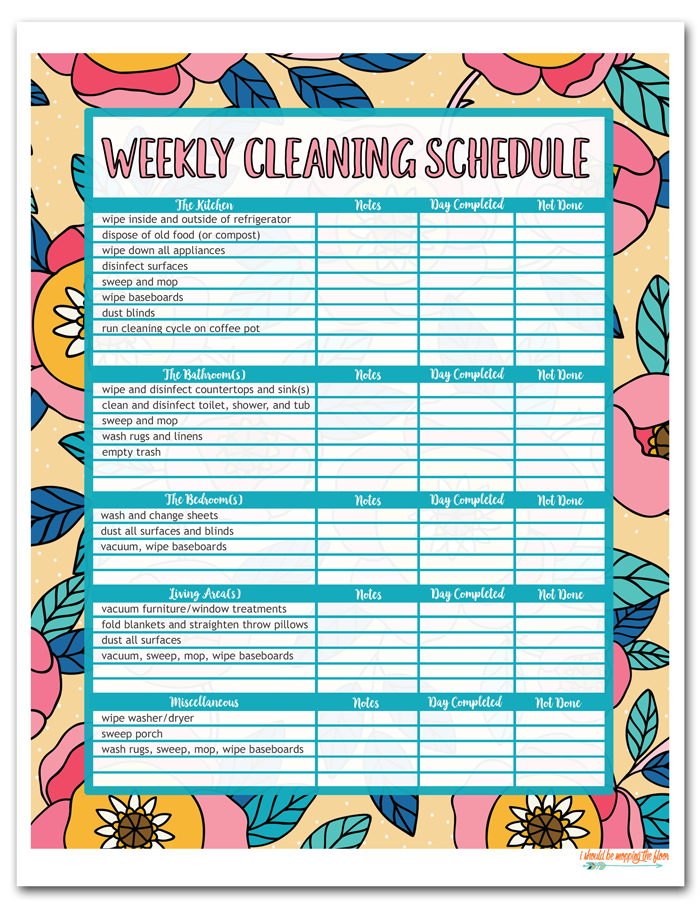
This section tracks the availability of cleaning supplies and equipment. It's important to ensure that you have adequate resources to perform your cleaning duties effectively.
- Item: Disinfectant wipes
- Quantity: 50
- Date Last Used: October 25, 2023
- Location: Supply Room
- Notes: Expired – needs to be replenished.
Section 4: Quality Control & Follow-Up – Ensuring Standards are Met
This section focuses on assessing the quality of the cleaning work and ensuring that it meets established standards.

- Assessment: Overall cleanliness of the area.
- Rating: Excellent (5/5)
- Comments: The area was thoroughly cleaned and appeared to be free of dust and debris. Minor areas of discoloration were noted.
- Follow-Up Actions: Will be scheduled for a more thorough cleaning in two weeks.
Section 5: Reporting & Analysis – Data-Driven Insights
This section is where you present the collected data in a clear and concise manner. It's important to use charts and graphs to visualize trends and patterns.
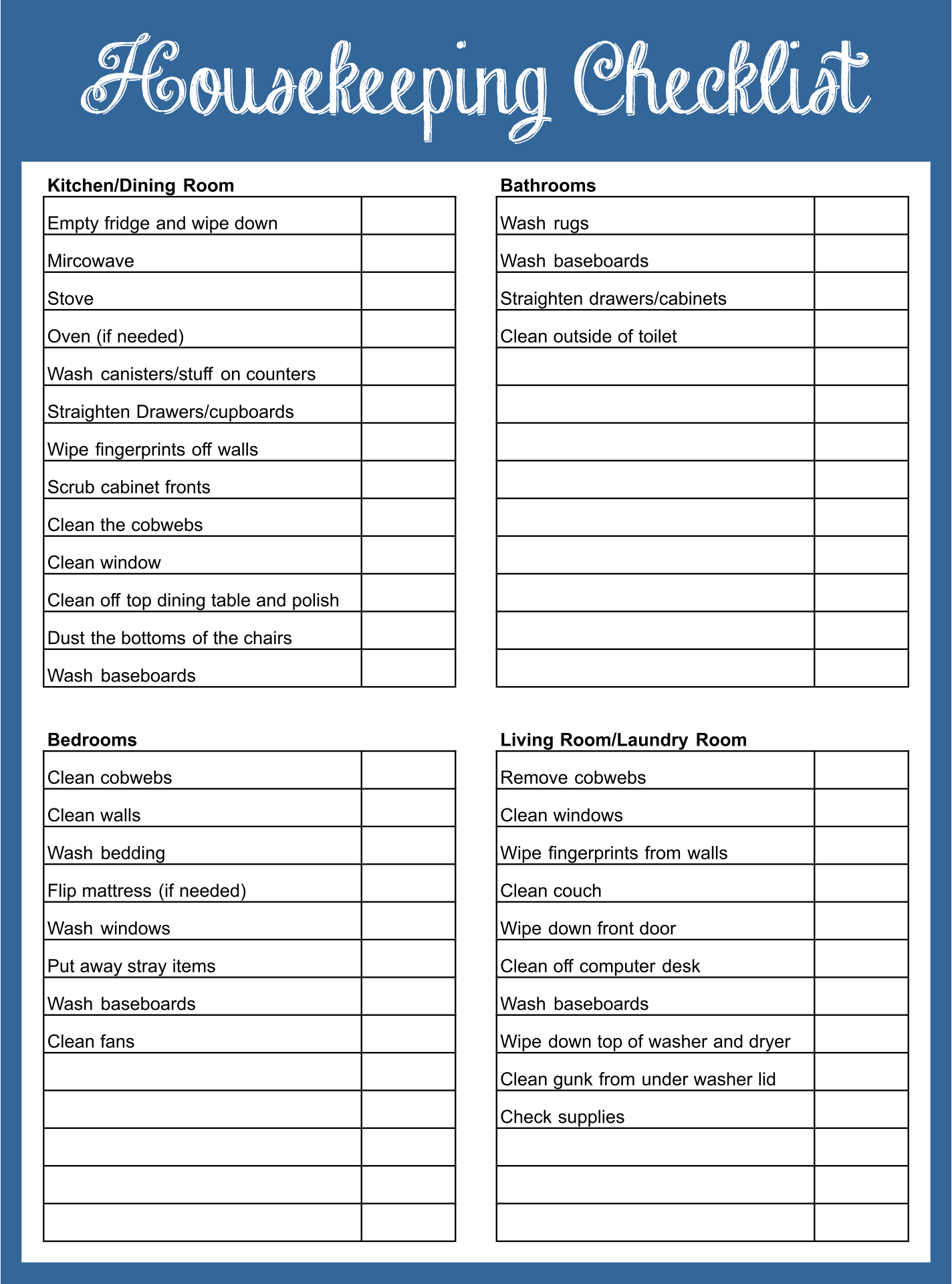
- Summary of Cleaning Activities: A brief overview of the cleaning activities performed during the period.
- Key Findings: Highlight any significant observations or trends.
- Recommendations: Suggest improvements to cleaning procedures or equipment.
Conclusion
A well-structured cleaning report template is a powerful tool for improving cleaning efficiency, maintaining a consistently clean environment, and promoting accountability. By following the steps outlined in this article, you can create reports that are both informative and actionable. Remember that the goal of a cleaning report is not just to record activities; it's to leverage data to drive continuous improvement. Investing in a robust cleaning report system can yield significant benefits for your organization, leading to a healthier, more productive, and more enjoyable space. Ultimately, effective cleaning is an investment in a better environment – one that benefits everyone. Continuous refinement of your cleaning report template based on feedback and performance data is key to long-term success. Don't underestimate the power of a well-documented cleaning process. It's a critical component of a successful and sustainable cleaning operation.

0 Response to "Cleaning Report Template"
Posting Komentar