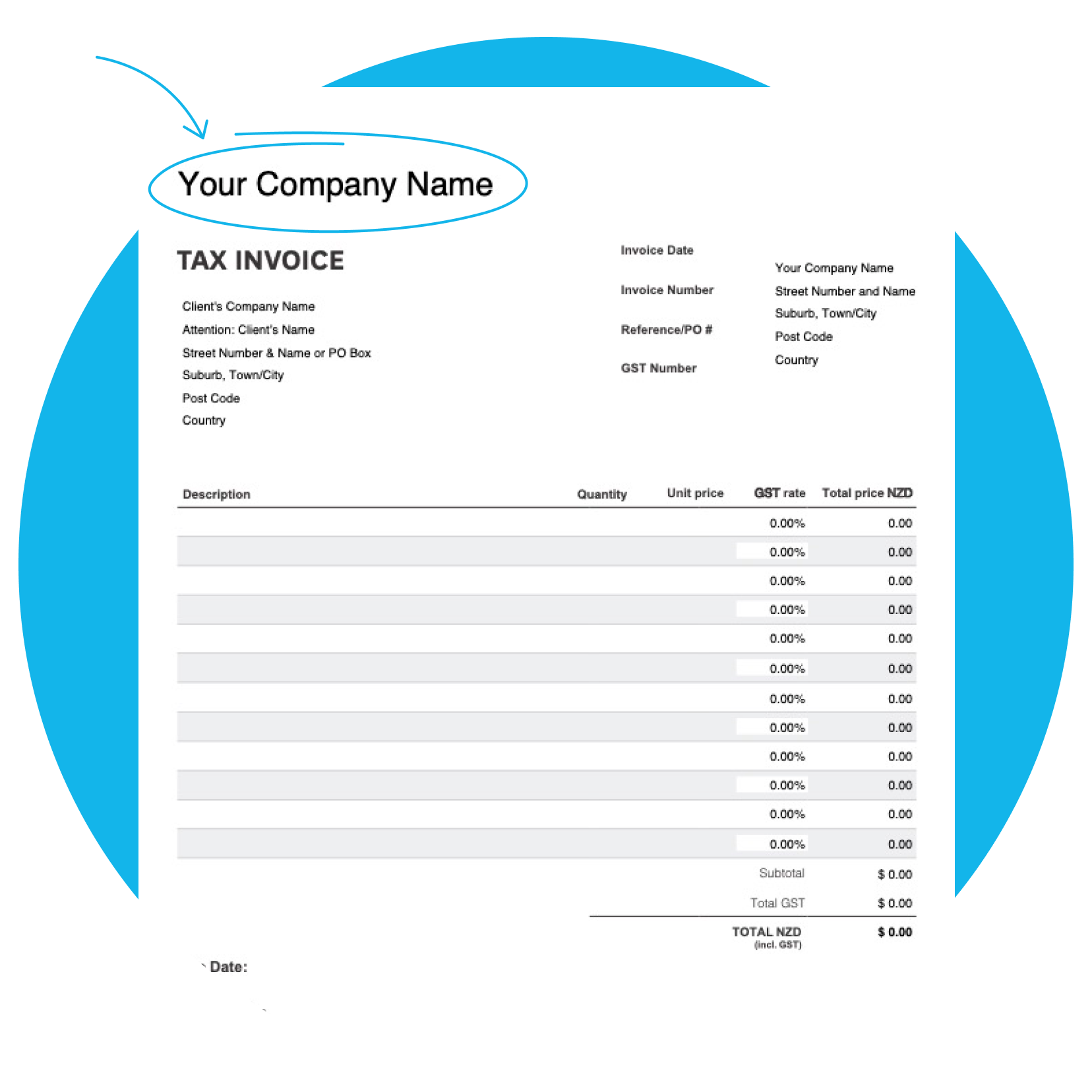
Creating professional invoices is a cornerstone of business operations, ensuring accurate billing and smooth financial transactions. A well-designed invoice template is more than just a document; it's a crucial tool for building trust with clients and streamlining your accounting processes. This guide will delve into the essential elements of a New Zealand Invoice Template, covering everything from design considerations to practical implementation. New Zealand Invoice Template is a vital asset for any business operating within the country, and understanding its nuances is key to success. This article will provide you with the knowledge and resources you need to create a template that effectively represents your business and fosters strong client relationships.
Understanding the Importance of a New Zealand Invoice Template
The demand for invoices in New Zealand is consistently high, driven by a diverse range of businesses, from small retailers to large corporations. Effective invoicing is not simply about generating receipts; it's about establishing a clear and professional record of transactions. A professionally designed invoice template demonstrates attention to detail, professionalism, and a commitment to clear communication. Poorly designed invoices can lead to disputes, delays, and damage to your business's reputation. Investing in a quality template is an investment in your financial health and customer satisfaction. Furthermore, utilizing a template allows for consistent branding and a cohesive look across all your invoices, reinforcing your brand identity. Choosing the right template is a strategic decision that can significantly impact your business's bottom line.
Core Elements of a New Zealand Invoice Template
Let's break down the essential components of a robust New Zealand Invoice Template. A good template should be easily adaptable to different business needs and payment methods. Here's a breakdown of the key elements:
1. Business Information
The first section of your invoice template should clearly display your business's contact details. This includes:
- Company Name: Clearly state your business name.
- Address: Provide your full business address.
- Contact Information: Include a phone number and email address for client inquiries.
- Tax Identification Number (TIN): This is crucial for compliance and tax purposes.
2. Invoice Details
This section provides crucial information about the invoice itself:
- Invoice Number: A unique identifier for each invoice. This helps with tracking and organization.
- Invoice Date: The date the invoice was issued.
- Due Date: The date by which payment is expected.
- Total Amount Due: The total amount owed on the invoice.
- Payment Terms: Specify your payment terms (e.g., Net 30, Instant Payment).
3. Client Information
It's important to clearly identify the client receiving the invoice:
- Client Name: Full name of the client.
- Company Name (if applicable): If the client is a company, include their name.
- Address: Client's complete address.
Designing a Visually Appealing New Zealand Invoice Template
While functionality is paramount, a visually appealing invoice template can significantly enhance its impact. Consider these design elements:
4. Branding
Incorporate your company's logo and brand colors to maintain a consistent brand identity. A subtle but effective logo placement can add a professional touch.
5. Formatting and Layout
- Clear Hierarchy: Use headings, subheadings, and bullet points to organize information logically.
- Whitespace: Don't overcrowd the page. Use whitespace to improve readability.
- Font Choice: Select a professional and easily readable font.
- Color Palette: Stick to a consistent color palette that aligns with your brand.
Invoice Types and Variations
New Zealand Invoice Templates can be adapted to suit various business needs. Here are a few common types:
6. Standard Invoice Template
This is the most basic template, suitable for straightforward transactions. It typically includes all the core elements listed above.
7. Detailed Invoice Template
For larger transactions or those requiring more detailed information, a detailed invoice template is beneficial. This might include sections for line items, sub-totals, and a breakdown of costs.
8. Digital Invoice Template
With the rise of digital invoicing, a well-designed digital template is highly recommended. This allows for electronic transmission and streamlines the payment process. Ensure your template is compatible with popular accounting software.
Payment Methods and Acceptance
Clearly outline the accepted payment methods:
- Bank Transfer: Provide details for bank transfers.
- Credit Card: Specify if you accept credit card payments and provide instructions.
- Online Payment Platforms: Mention platforms like PayPal or Stripe.
Legal Considerations and Compliance
It's crucial to ensure your New Zealand Invoice Template complies with relevant legislation. This includes:
- GST: If applicable, clearly indicate whether GST is charged and how to claim it.
- Tax Obligations: Understand your tax obligations and ensure your invoice accurately reflects them.
- Terms and Conditions: Include a brief terms and conditions section outlining your payment policies.
Best Practices for Invoice Delivery
- Send Invoice Promptly: Send invoices as soon as the transaction is complete.
- Automated Reminders: Set up automated email reminders to ensure timely payment.
- Record Payment Status: Maintain a record of when invoices are paid.
Conclusion
A well-crafted New Zealand Invoice Template is an indispensable tool for any business operating in the country. By understanding the core elements, adhering to best practices, and adapting the template to your specific needs, you can streamline your invoicing process, build stronger client relationships, and ensure accurate financial management. Investing time and effort in creating a professional and effective invoice template is a worthwhile investment that will pay dividends in the long run. Remember to regularly review and update your template to reflect evolving business needs and industry best practices. New Zealand Invoice Template is a dynamic document, and its effectiveness hinges on its adaptability and relevance.
Conclusion
The creation and implementation of a robust New Zealand Invoice Template are critical for businesses operating within the country. By prioritizing clarity, professionalism, and compliance, businesses can foster trust with clients, streamline financial operations, and ultimately, achieve greater success. A thoughtfully designed template not only facilitates efficient billing but also contributes to a positive and productive business relationship. Continuous refinement and adaptation to changing market conditions are key to maintaining a competitive edge.
0 Response to "New Zealand Invoice Template"
Posting Komentar