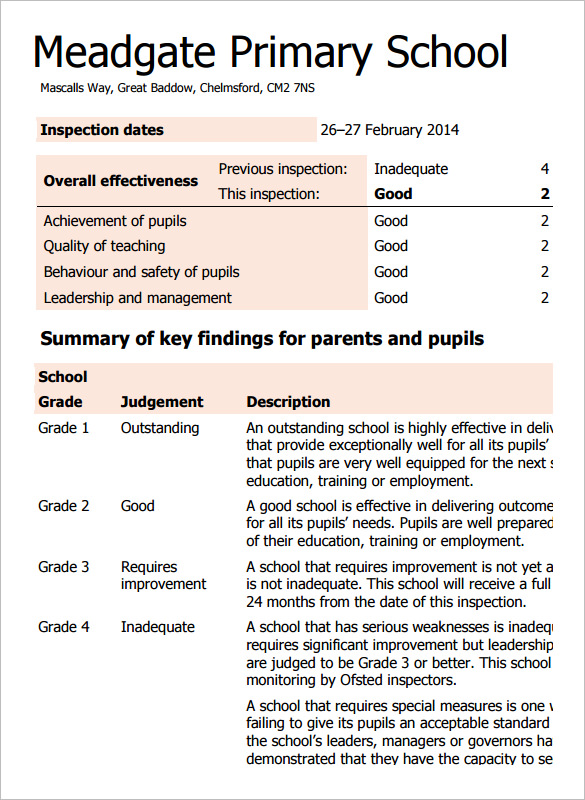
The process of documenting a student's progress is a vital part of education, providing valuable insights for teachers, parents, and administrators. A well-structured pupil report template offers a clear and consistent framework for gathering information and assessing a student's strengths and areas for improvement. This article will explore the key components of a comprehensive pupil report template, offering practical guidance on how to create one that effectively supports student success. Pupil Report Template is more than just a document; it's a tool for fostering a supportive and proactive learning environment. It's a reflection of a student's journey, highlighting their growth and identifying opportunities for continued development. Understanding the purpose and structure of a pupil report template is crucial for ensuring its utility and impact. A thoughtfully designed template can significantly streamline the reporting process, allowing for more focused and meaningful interactions between stakeholders.
Understanding the Purpose of a Pupil Report
The primary purpose of a pupil report is to provide a holistic view of a student's academic performance, social-emotional development, and overall well-being. It's a snapshot of a student's progress, capturing key achievements, challenges, and areas where support is needed. Effective reporting isn't simply about assigning grades; it's about understanding why a student is performing the way they are and tailoring interventions accordingly. It's a communication tool that facilitates collaboration and ensures everyone is working towards the same goals. Furthermore, a well-crafted report can be a valuable resource for identifying potential learning disabilities or other challenges that require further investigation. Ultimately, the goal is to empower students and support their success.
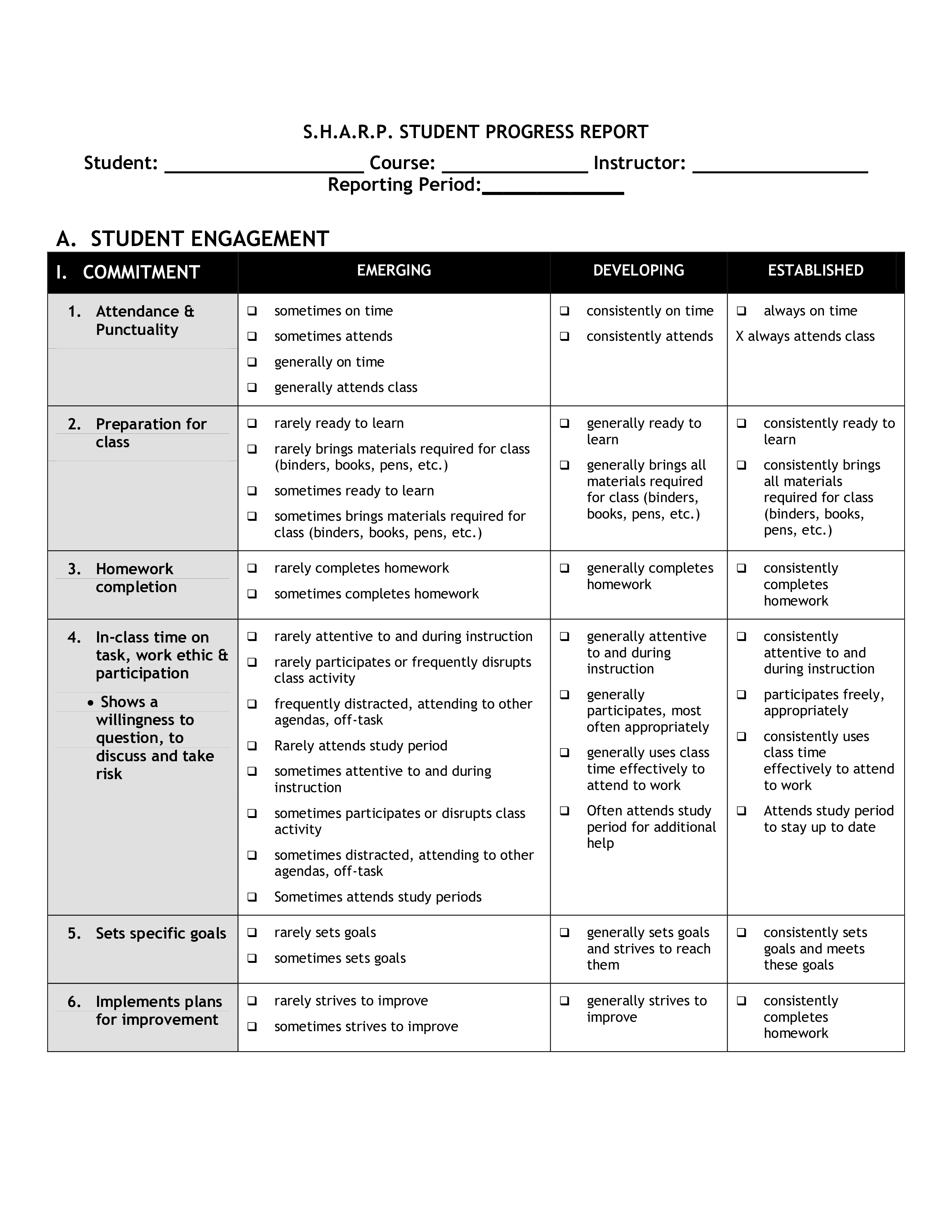
Core Components of a Pupil Report Template
A comprehensive pupil report template typically includes several key sections. Each section is designed to gather specific information and provide a detailed assessment of the student's performance. Let's examine some of the most important components:
1. Student Information
This section provides basic demographic information, such as student name, date of birth, grade level, and school information. It's essential to maintain accurate and up-to-date student records. Pupil Report Template begins with a clear identification of the student, ensuring that all relevant details are readily accessible. This foundational information allows for a quick and efficient overview of the student's profile.
2. Academic Performance
This section details the student's academic achievements, including grades, test scores, and assignment completion rates. It's important to note any areas where the student has excelled or struggled. Pupil Report Template includes specific data points to illustrate academic progress, providing a clear picture of the student's performance across different subjects. Regular monitoring of these metrics is crucial for identifying trends and potential areas for intervention.
3. Classroom Participation and Engagement
This section assesses the student's engagement in class activities, including their participation in discussions, completion of assignments, and overall attitude towards learning. It's vital to note any instances of disruptive behavior or lack of engagement. Pupil Report Template incorporates qualitative data, such as observations of student behavior, to provide a more nuanced understanding of their engagement. Positive engagement is a key indicator of a student's potential for success.
4. Social-Emotional Development
This section explores the student's social-emotional well-being, including their self-esteem, emotional regulation, and ability to build relationships. It's crucial to assess their emotional responses to challenges and their capacity for empathy and cooperation. Pupil Report Template often includes questions designed to gauge the student's emotional state and identify any potential areas of concern. A strong social-emotional foundation is essential for overall well-being and academic success.
5. Strengths and Areas for Improvement
This section identifies the student's key strengths and areas where they can improve. It's important to provide specific examples of these strengths and offer constructive feedback on areas for growth. Pupil Report Template encourages a balanced assessment, acknowledging both the student's capabilities and areas where support is needed. This section allows for targeted interventions and personalized support.
Utilizing the Template Effectively
Creating a truly effective pupil report template requires careful consideration of the specific needs of the student and the context of their learning. Here are some tips for maximizing its utility:
- Use Clear and Concise Language: Avoid jargon and overly complex sentences. Write in a way that is easily understood by all stakeholders.
- Provide Specific Examples: Instead of making general statements, provide concrete examples to illustrate points. For instance, instead of saying "The student is struggling with math," say "The student struggled with fractions during the recent quiz, demonstrating difficulty with the concept of equivalent fractions."
- Focus on Observable Behaviors: Describe what the student does rather than simply stating their attributes. For example, instead of saying "The student is shy," say "The student rarely participates in group discussions."
- Regularly Review and Update: Pupil reports should be reviewed and updated regularly to ensure they remain relevant and accurate. Changes in the student's progress should be reflected in the report.
- Collaborate with Stakeholders: Involve parents, teachers, and other relevant professionals in the creation of the report to ensure a comprehensive and collaborative assessment.
Conclusion
A well-structured pupil report template is an invaluable tool for supporting student success. By providing a clear and consistent framework for gathering information and assessing student performance, it empowers educators, parents, and administrators to work together to create a positive and supportive learning environment. The template outlined in this article provides a solid foundation for creating effective reports that promote student growth and achievement. Ultimately, the goal is to foster a student's confidence and encourage them to reach their full potential. Pupil Report Template is a dynamic document, adaptable to the unique needs of each student and the evolving demands of the educational system.
Conclusion
The process of documenting a student's progress is a vital part of education, providing valuable insights for teachers, parents, and administrators. A well-structured pupil report template offers a clear and consistent framework for gathering information and assessing a student's performance. It's a reflection of a student's journey, highlighting their strengths and areas for improvement. Effective reporting isn't simply about assigning grades; it's about understanding why a student is performing the way they are and tailoring interventions accordingly. It's a communication tool that facilitates collaboration and ensures everyone is working towards the same goals. A thoughtfully designed template can significantly streamline the reporting process, allowing for more focused and meaningful interactions between stakeholders. The goal is to empower students and support their success. Pupil Report Template is a dynamic document, adaptable to the unique needs of each student and the evolving demands of the educational system.
0 Response to "Pupil Report Template"
Posting Komentar